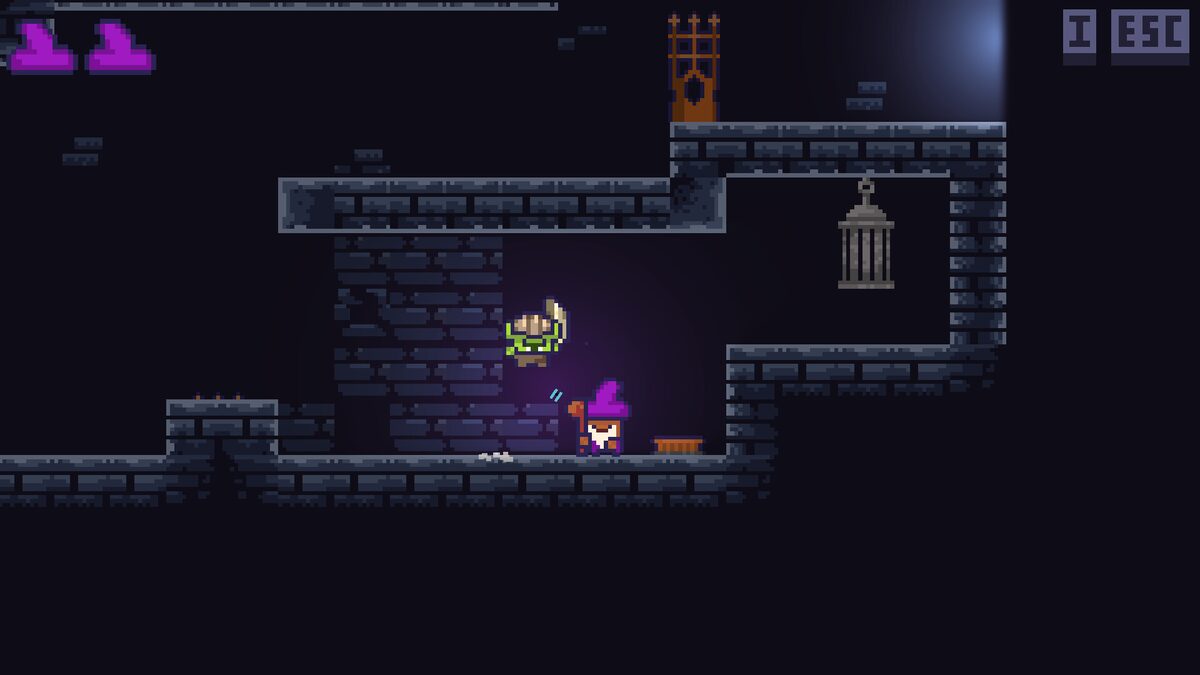
Mind Weaver
I was recently going through old projects when I found “Mind Weaver”. This is a platformer/puzzle game I built in Java during my second year at university. Browsing through the source code made me realize I haven’t had this much fun working on a coding project in a long time. You play as a wizard who’s trapped in the depths of a dungeon full of goblins. It’s called Mind Weaver because you can control/weave the minds of goblins in your line of sight. Feel free to download it from Releases or get it for free on Steam.
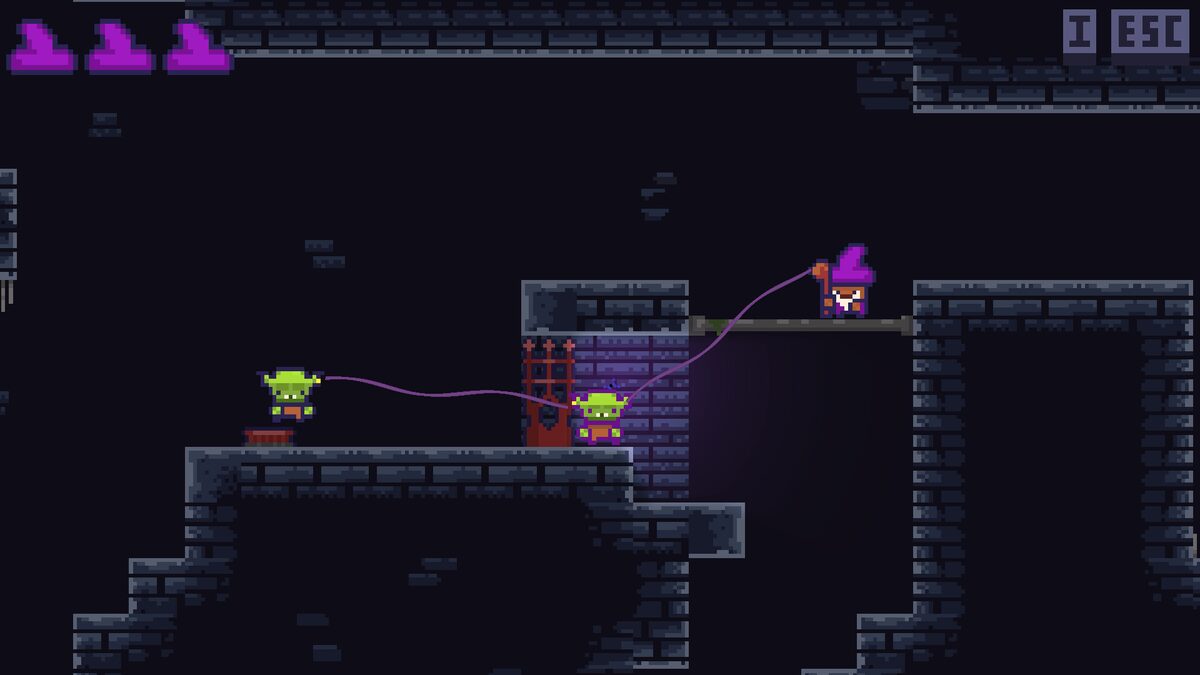
Coding agents didn't exist back then, so I put on my programmer cap and built everything myself. I used a niche library called LibGDX for game development, with a rather steep learning curve. This made understanding and fixing bugs significantly more challenging (and fun!). I still remember the long sessions spent reading documentation, browsing forgotten Stack Overflow threads, and thinking about design patterns and architecture diagrams. These are some of the things that made the practice of software engineering so rewarding.
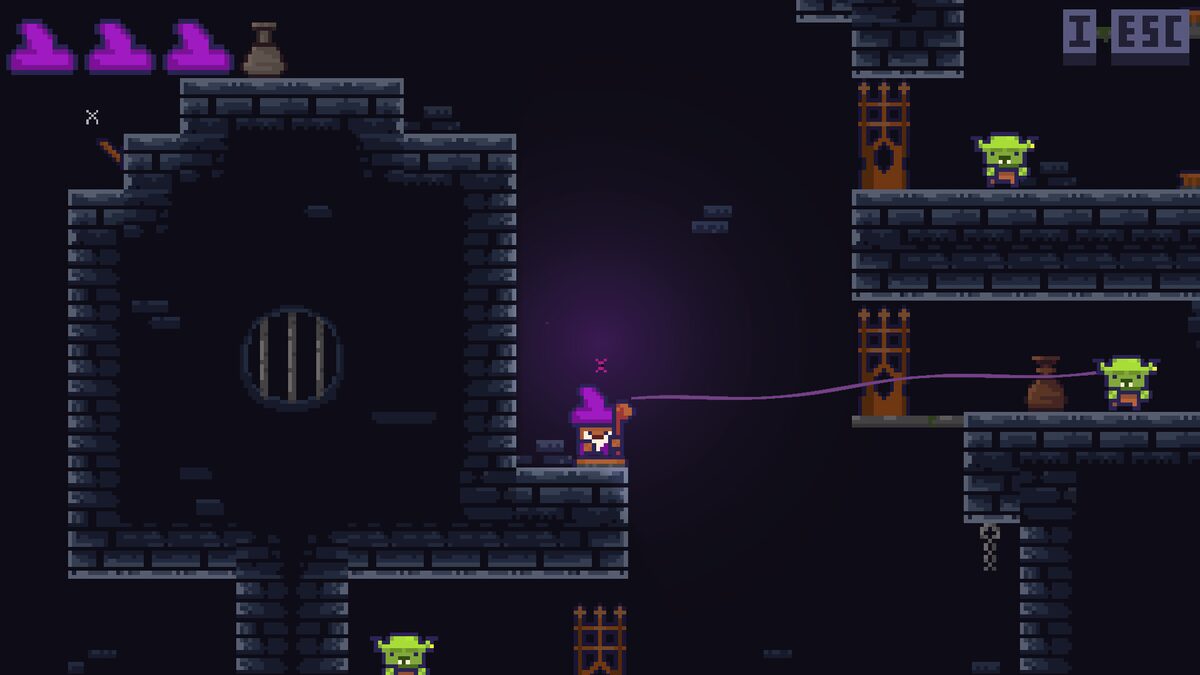
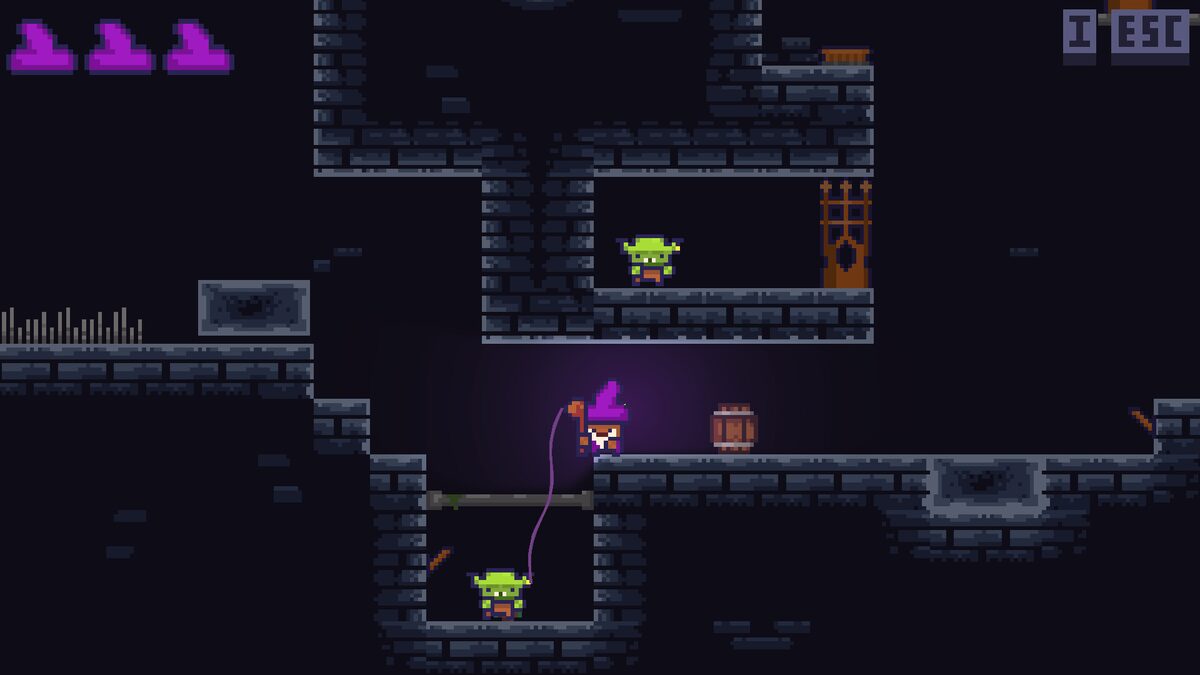
I am also very satisfied with the art, not bad for a beginner pixel-artist >o<. Paying attention to details like lighting, particle effects, and shaders took it to another level. Yes, I am still proud of turning my magic ray into a sine wave. Paste it into Shadertoy to try it out:
void mainImage(out vec4 fragColor, in vec2 fragCoord) {
    vec2 uv = fragCoord / iResolution.xy;
    float x = 20.0 * uv.x;
    float wave = 0.5 + 0.2 * sin(x + 20.0 * iTime);
    float dist = abs(wave - uv.y) / sqrt(1.0 + cos(x) * cos(x));
    fragColor = vec4(1.0 - smoothstep(0.0, 0.2, dist));
}
As I am writing this, I realize this comes across as fairly unimpressive in the era of AI. I would be lying if I said a big motivator wasn’t to impress my geeky friends. People used to read much more code than they would write. You felt compelled to put in your best effort, knowing that somebody might come after you to look through your work. The advances in AI have drastically reduced the amount of code people read. It’s without question that these tools have allowed us to tackle larger projects at unprecedented speeds. But I think they have also, in part, robbed us of the art of computer programming.
I am not advocating against the advancement of the AI frontier, however. In fact, I personally benefit a lot from more capable models. Most of my workflow today uses AI agents, which has multiplied my output as a researcher. Most notably, agents simplify most of the tedious, time-consuming quirks of data science (e.g. arguing with pandas to index/slice a dataframe properly). This allows me to focus on interpreting results and iterating on ideas quicker.
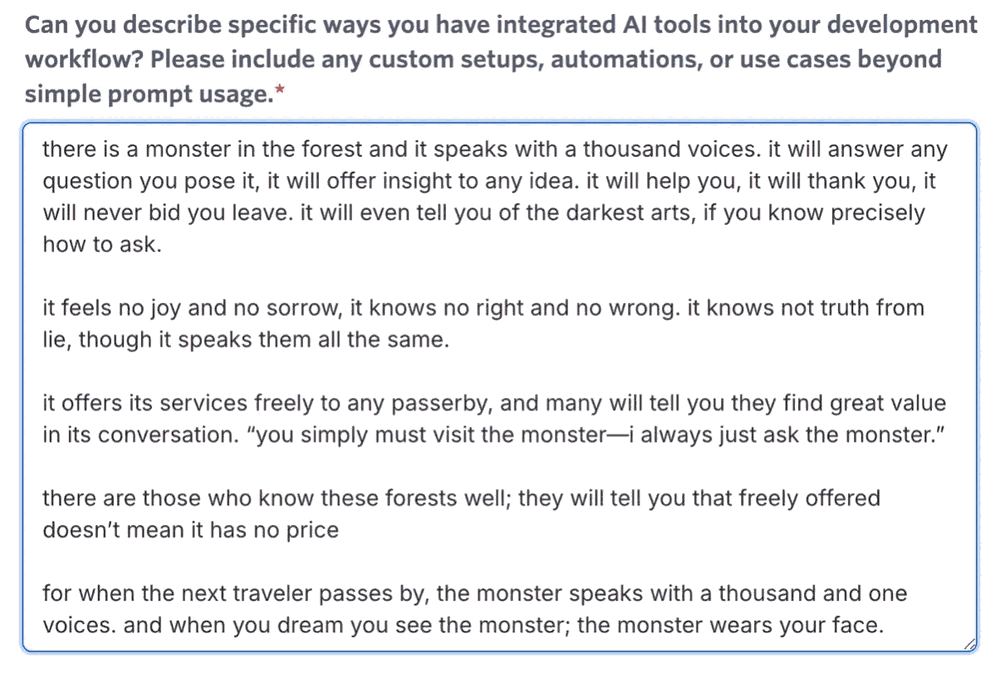
Whether this emerging symbiosis between AI and me is beneficial for my long-term career/wellbeing is hard to say. Research suggests you must guide these models into desirable equilibria, aiming for knowledge expansion and avoiding “parasitic relationships”. LLMs can quickly become parasites, feeding off the information available to them while humans lose the ability to work effectively without them. Brain-engaging activities like reading or going to the opera are perhaps more important now than ever before. Here is a very funny post I came across on LinkedIn.
Anyways, AI or not, I care about this project very much and I am happy to share it with you!